What soft washing can and cannot do
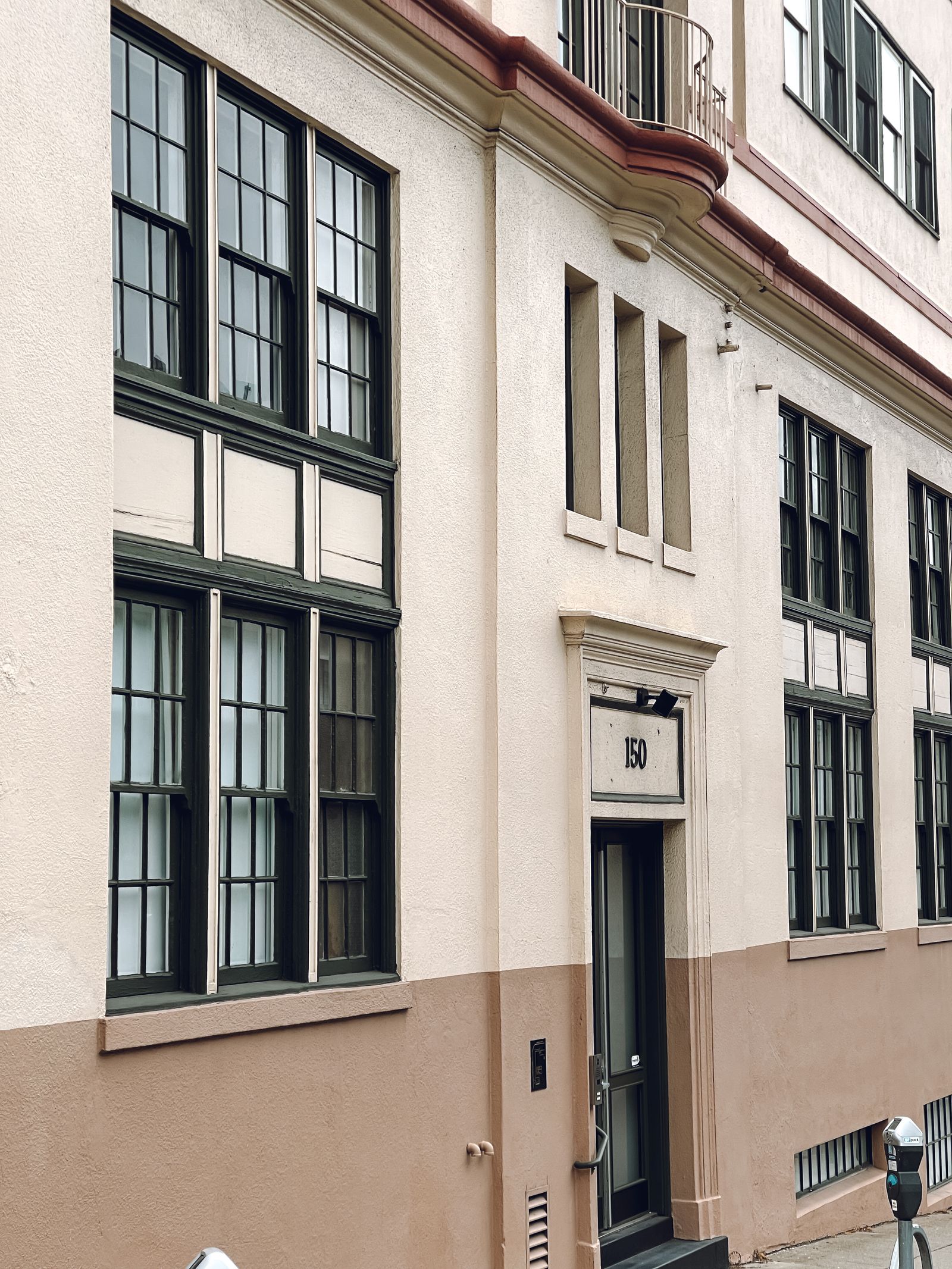
Soft washing generally combines a compatible cleaning solution, measured dwell time, and a controlled lower-pressure rinse for an appropriate material and residue. It may fit organic film, bird residue, light biological staining, and atmospheric soil on tested stucco, painted block, concrete, masonry, EIFS, metal, or other compatible surfaces. The benefit is controlled treatment rather than unnecessary impact. The method still depends on chemistry, dilution, dwell, surface temperature, wind, rinse direction, protection, and runoff management. Lower pressure is not a blanket guarantee of safety.
Soft washing is not a universal treatment for hard-water scale, mineral crust, oxidation, embedded exhaust, graffiti, construction residue, damaged coatings, failed sealants, open joints, or active leaks. A dark Strip service-corridor wall may have vehicle film; a white mark on a Summerlin storefront may be irrigation or mineral residue; a streak under a medical building scupper may be a water path. A test area can distinguish likely soil from a condition that needs contact cleaning, specialty treatment, restoration, or another trade.
- Use soft washing where the tested material and residue can tolerate the chemistry and controlled rinse.
- Treat mineral scale, oxidation, embedded exhaust, damaged coatings, and recurring moisture as separate questions.
- Review glazing, metals, sealants, plants, air intakes, equipment, and runoff before application.
- State expected improvement and exclusions instead of promising a perfectly uniform facade.
Where controlled pressure may fit
Controlled pressure may suit selected durable concrete, curbs, loading pads, service yards, parking structures, or other tested hardscape. The relevant details are pressure at the surface, flow, nozzle, distance, angle, dwell, overspray, adjacent finishes, and water path. A pressure number by itself does not predict a safe or attractive result. A concrete truck apron may tolerate a different process than a painted tilt-up panel beside it, and a parking deck may have drainage or occupancy constraints that change the recommendation.
Too much force can etch concrete, remove mortar, expose aggregate, strip paint, mark stucco or EIFS, disturb sealants, drive water behind panels, damage glazing seals, and send dirty water beyond the planned zone. On an occupied hotel, retail center, clinic, or office, higher impact can also add noise, splash, wet walking surfaces, and public-control demands. The practical comparison is which zones can tolerate controlled pressure, which should receive treated rinsing or contact work, and which need restoration or repair rather than more force.
Classify Las Vegas soil before escalating force
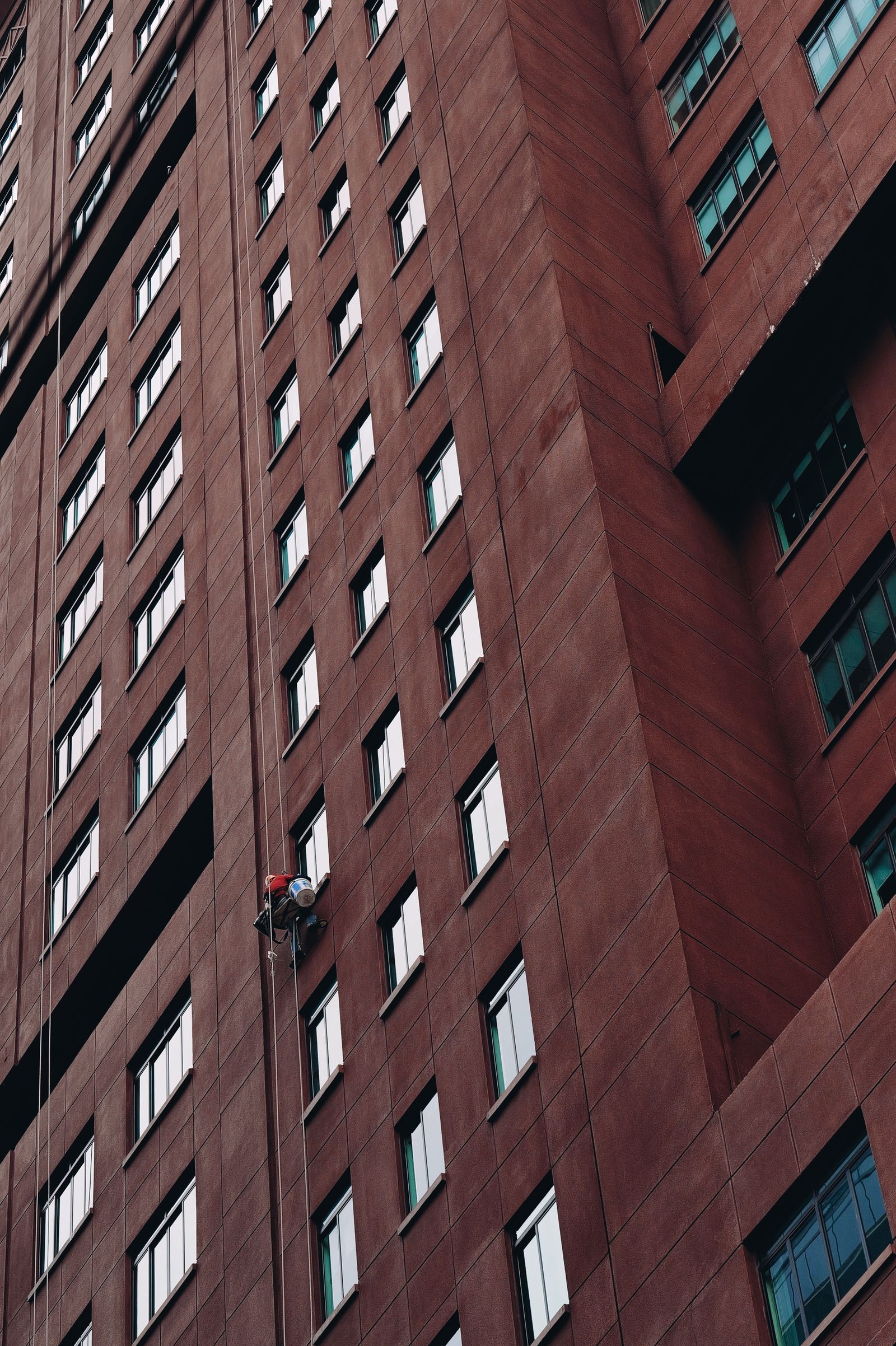
Desert dust may sit loosely on ledges and rinse readily, while traffic or diesel film may cling to lower walls and dock areas. Organic growth can respond to a compatible treatment, but hard-water deposits may need a different process. White marks can be mineral scale, efflorescence, or dried runoff. Rust-colored marks can be oxidation. A dark stripe below a parapet, cooling discharge, irrigation head, or roof edge can return because the source remains. Pressure does not solve a mineral, oxidation, or water-management problem simply because the mark looks stubborn.
A representative test area should consider the substrate, coating age, repair history, sun exposure, shade, deposit, and likely finish standard. Compare the dry result, not only the wet appearance. For a hotel, the priority may be the public entry and guest-facing elevations. For a medical property, it may be a cleanable patient approach with no uncontrolled splash. For a warehouse or industrial building, lower panels, truck lanes, dock doors, and equipment protection may matter more than an upper wall. Method selection should follow the visible objective and operating context.
- Classify dust, organic film, mineral deposits, irrigation spotting, oxidation, exhaust, salt, and drainage marks separately.
- Inspect stucco, masonry, concrete, glass, metal, coatings, joints, sealants, and repaired areas before choosing force.
- Use test areas to establish likely response, dry appearance, and limitations.
- Separate facade washing from specialty glass, mineral, oxidation, coating, masonry, and envelope work.
Let hospitality, retail, medical, and industrial use shape the method
A Strip hotel or retail property may need guest arrivals, valet, pedestrian routes, restaurant patios, event schedules, service corridors, deliveries, security, and public entries protected. Downtown properties may have sidewalks, restaurant seating, offices, apartments, events, and narrow staging. Summerlin offices and medical buildings may add landscaped setbacks, employee circulation, patient drop-off, air intakes, and tenant schedules. Henderson-adjacent industrial and warehouse properties may offer more room but add gates, truck courts, forklifts, dock doors, shift turnover, production equipment, and security rules. The method must fit the working property, not just the wall.
A strong bid explains staging, barriers, hose routes, rinse volume, noise, dwell time, entry sequencing, public separation, water access, and handback. One property can use several methods: soft washing on a compatible upper facade, a controlled rinse on a tested concrete apron, a water-fed pole for selected glass, and hand detail around signs, frames, canopies, and doors. Drone assistance may be considered for suitable broad upper zones, but it does not replace close assessment or detail work. A zone-by-zone scope is usually more informative than a single label for the whole address.
Compare water, heat, wind, and runoff as part of the method
A method comparison that ignores water planning is incomplete in Southern Nevada. Drought-aware work should identify the source, use only the volume needed for the approved result, protect landscaping and equipment, and account for where rinse water will travel. A curb inlet, parking-deck drain, landscaped basin, wash, or shared drive lane is not automatic authorization for treated water or sediment. Depending on the site, controls may include diversion, collection, recovery, filtration, reduced rinse volume, plant protection, disposal, or coordination with the responsible authority.
Intense sun can change dwell and drying on a west-facing facade, while shade can leave a lower wall wet. Wind can move spray, dust, and barriers and can make aerial work unsuitable. Heat affects crew exposure, public routes, hose handling, and the available handback window. Lightning, rain, poor visibility, unsafe wet surfaces, or changed flow should be pause triggers. The selected method should achieve the stated appearance while the building remains controlled and usable.
Ask the proposal to state water assumptions, runoff controls, weather limits, heat precautions, protection for plants and equipment, and what happens if field conditions differ. A smaller controlled scope can be more useful than a broad promise when the building has mineral deposits, sensitive finishes, occupied routes, or a complicated discharge path.
Use the quote to make a defensible choice
Ask each bidder to identify the material and soil assumptions, method by elevation, test-area plan, pressure or rinse controls, chemistry, access equipment, operating window, public and equipment protection, water source, runoff approach, weather and heat limits, closeout photos, expected finish, and exclusions. Ask which deposits may not respond to routine washing and which conditions should go to a roofer, mason, painter, glazier, metal specialist, or building-envelope professional. A clear limitation is more useful than a promise that assumes every stain is ordinary dirt.
Send the Las Vegas address, building use, photos of the main entry and representative elevations, approximate height, materials, visible residue, priority zones, water access, drains, service-corridor limits, preferred dates, and tenant, guest, patient, customer, delivery, security, or event restrictions. Mention Strip, Downtown, Summerlin, or Henderson-adjacent context only as useful operating background; the exact property conditions still control. Call +1 239-351-2897, email contact@dronebuildingcleaners.com, or use the existing quote/contact CTA to discuss whether soft washing, controlled pressure, contact work, aerial support, or a hybrid plan fits.